

NAIL Surgery
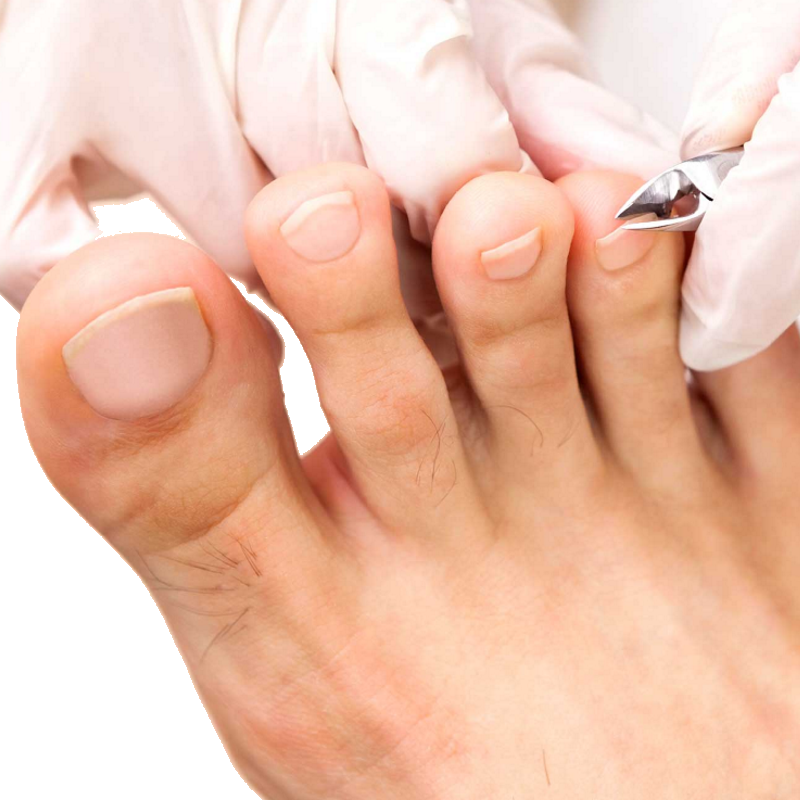
At Foot Medic™ Cardiff our team of podiatrists are qualified to provide nail surgery under local anaesthetic for the permanent cure of ingrown and problem nails.
What Is Nail Surgery?
Nail surgery a permanent solution to a repetitive problem.
Nail surgery is a minor podiatric procedure used to permanently treat painful or recurrent nail problems, most commonly ingrown toenails.
It involves removing part, or occasionally all, of the nail under local anaesthetic.
A chemical such as phenol is then applied to prevent the problem section of nail or whole of the nail from growing back.
The procedure is carried out in a controlled clinical environment, using sterile instruments and precise technique. You remain awake, but the toe is fully numbed so you feel no pain during treatment.
Unlike cutting the nail, digging it out, or relying on antibiotics, nail surgery removes the underlying cause of the problem and prevents it from returning.
Watch what happens at a Nail Surgery appointment
WHY CHOOSE US?

HCPC REGISTERED PODIATRISTS

PRIVATE CONSULTATION

PROFESSIONAL SERVICE

COMPREHENSIVE ASSESSMENT

EVIDENCE BASED TREATMENT

STERILE EQUIPMENT

FULLY INSURED
When to choose Nail Surgery?
Nail surgery is typically recommended when:
The nail repeatedly becomes ingrown.
The nail repeatedly becomes infected.
You are relying on repeated antibiotics
Conservative care has failed.
Pain is affecting walking or daily activity.
Recurring episodes of toe / foot pain.
What To Expect At Your NAIL SURGERY Appointment
STEP ONE - Pre-Op

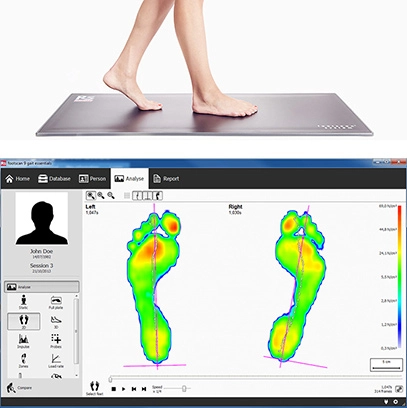
Our HCPC registered podiatrist will take a full medical, medication, lifestyle & occupational history to determine whether any of these factors may cause or contribute to your presenting condition. This information is taken during a private consultation and stored on our secure database for your privacy & security.
STEP TWO - Anesthetic
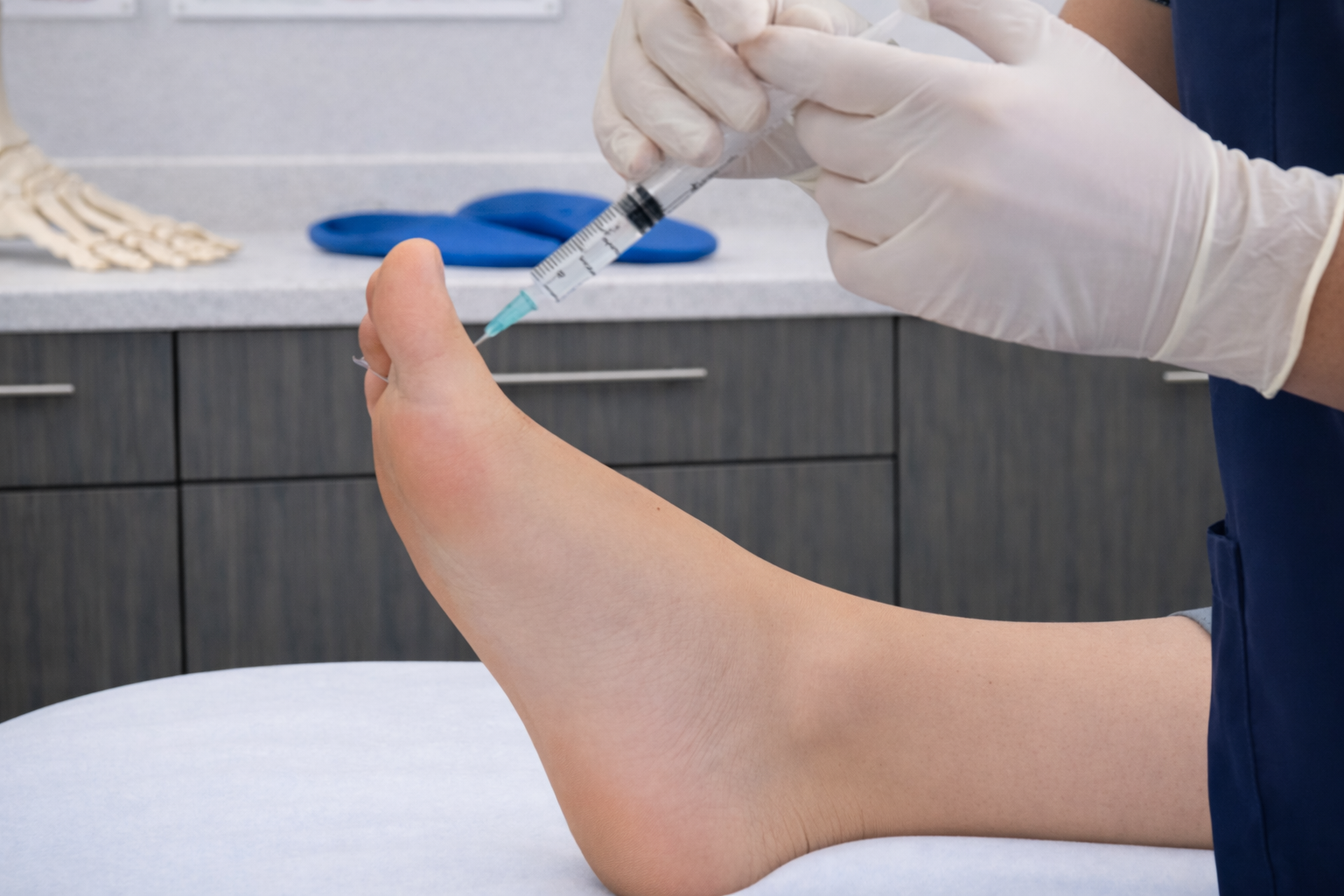
On the day of the surgery we will review your medical history and assess the blood flow in your feet using a doppler. This is a painless procedure and when you and our podiatrist are both happy we complete a consent form and then administer the local anaesthetic to numb the toe or toes.
STEP THREE - Surgery
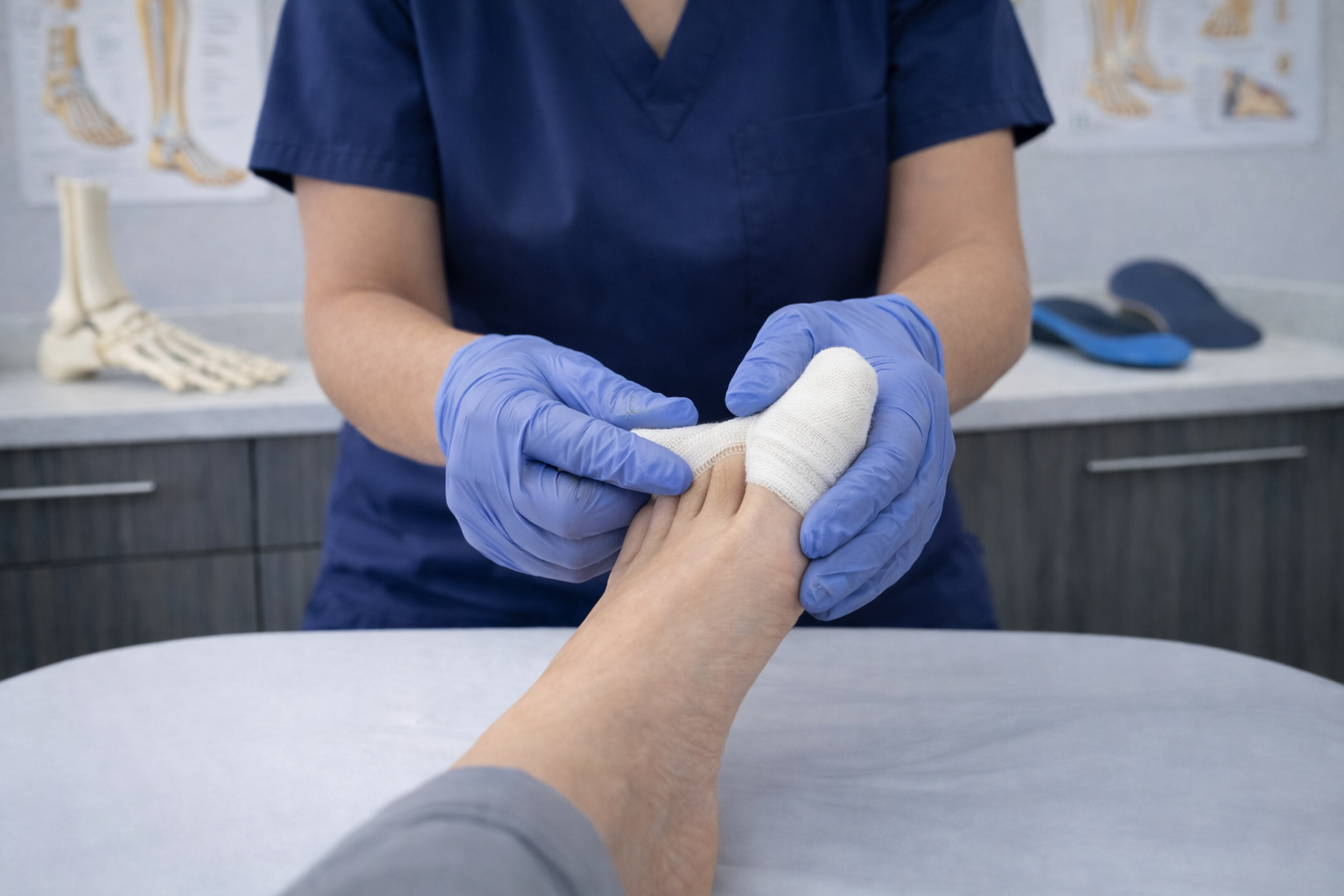
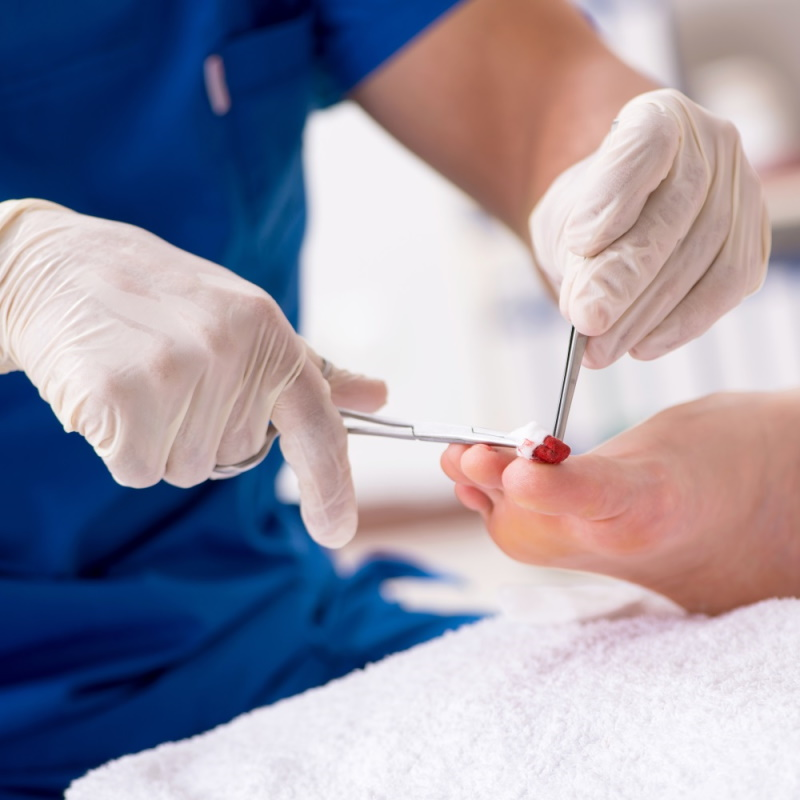
Once the toe or toes are numb and you are happy to proceed our podiatrist will perform the surgery in a relaxed professional manner using sterile instruments in an aseptic environment. The procedure often takes less than 10 mins per toe and you leave with aftercare advise and a follow-up appointment
How soon will the toe(s) heal?
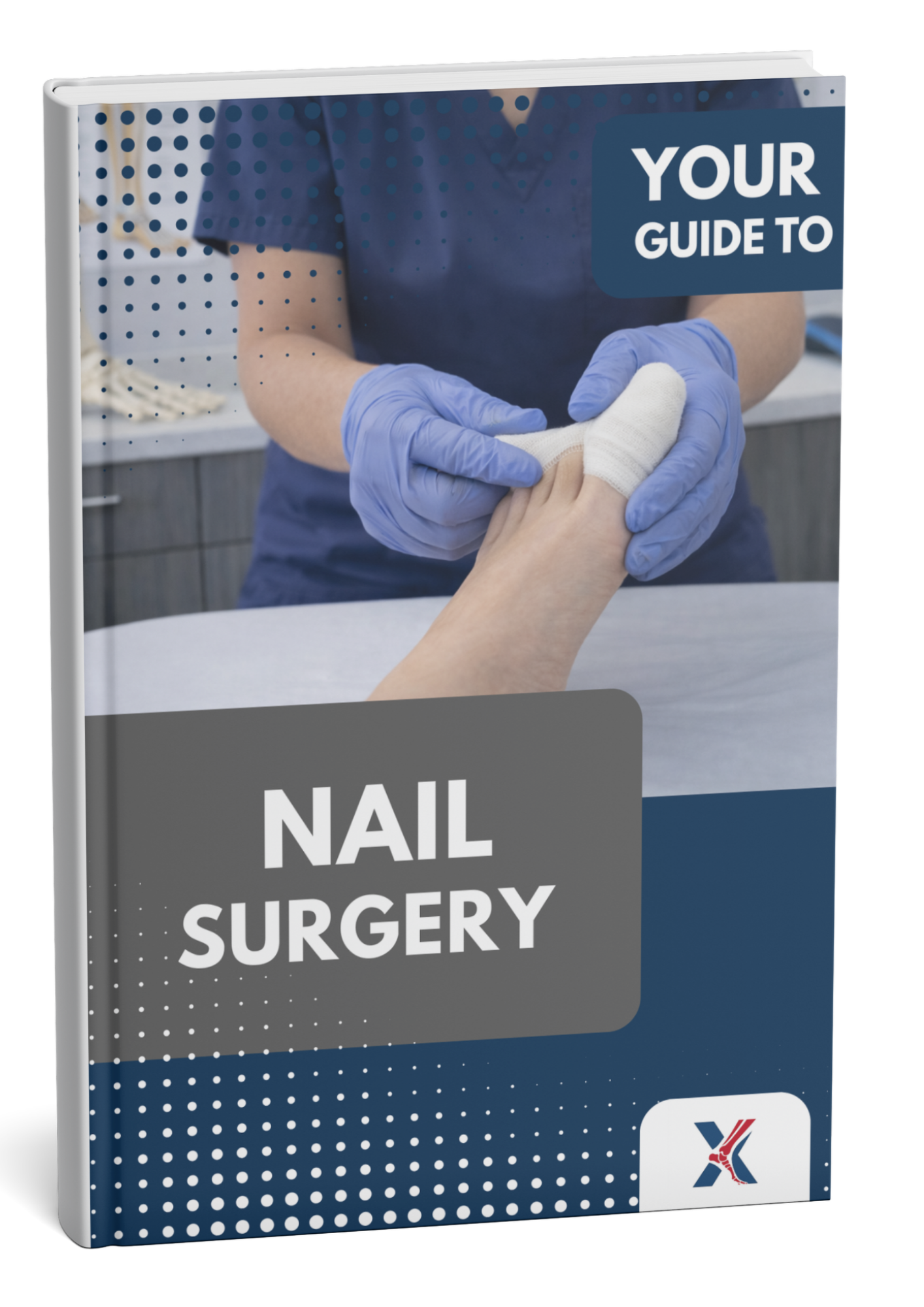
Healing following nail surgery is gradual and predictable when the correct aftercare is followed. Most patients are able to return to normal daily activities within a few days, although the toe will continue to heal over the following couple of weeks.
To support this process and ensure the best outcome, we follow a structured review pathway to monitor healing, adjust dressings, and guide you through each stage of recovery.
Typical treatment pathway and timeframe:
Surgical appointment
Medical and medication review, circulatory (Doppler) test followed by nail surgery (1-1.5 hours)Second appointment (24 -48 hours later)
1st redress of the toe or toes carried out by our practitioner and a redress program demonstrated for the patient to complete daily.Third appointment (1 weeks later)
Practitioner to check on the healing progress and to change the dressing routine.Forth and final appointment (2 weeks later)
Final practitioner check to assess the healing progress and discharge the patient.
Download our free Guide to
Nail Surgery
We have created a patient guide to Nail Surgery. Developed by experienced podiatrists who perform nail surgery every day, it provides clear information on the procedure, who it is suitable for, what treatment feels like, expected timeframes for healing, and how it compares to other treatment options.
Conditions & Symptoms Nail Surgery Can Help
Nail surgery is recommended for a wide range of nail-related problems, not just severe cases. Common presentations include:
Ingrown toenails (onychocryptosis)
Chronic fungal toenails (onychomycosis)
Thickened or misshapen nails
Psoriatic nails
Nails damaged through trauma or sport
If your toe is painful, inflamed, or repeatedly becoming infected, nail surgery may be the most effective long-term solution.
For Appointments
Call 0800 999 1886
Or Book Online At Anytime ⤦
Frequently Asked Questions
How much does nail surgery cost?
Fees vary depending on the number of nails treated. For up-to-date fees, please view our fees page or contact the clinic.
How many treatments will I need?
The nail surgery is completed in one session, but we book a further 3 follow-up appointments to monitor the healing progress. All appointments are included in the nail surgery fee.What is the success rate of nail surgery?
Nail surgery has a very high success rate, typically around 95% to 97%.
This means the vast majority of patients experience a permanent resolution of the problem.
A small number of cases (3% - 5%) may see some regrowth. If this happens, it is usually minor and can be easily retreated.
Is nail removal permanent?
Nail removal with phenol is permanent for the treated section of nail. The remaining nail continues to grow normally, but the problematic edge does not return, providing long-term relief from pain and repeated ingrown episodes. Total nail removal can be permanent or not if we are treating problems such as chronic fungal nails.Do I need antibiotics for ingrown toenail surgery?
If the toe(s) is badly infected we may arrange a course of antibiotics may help control infection before surgery. If not, we would only arrange antibiotics if the toe became infected after surgery which can happen in 10 -15% of cases.Have I got to have an injection for nail surgery?
Yes, a local anaesthetic is required for nail surgery, and this is given using a very fine needle. This is the only part of the procedure you are likely to feel. It can be slightly uncomfortable for a few seconds, but it settles quickly as the toe becomes numb.
Most patients find that the anticipation is worse than the reality, and the procedure is much more comfortable than they expected.
Is nail surgery painful?
The procedure itself is not painful because the toe is fully numbed with local anaesthetic. You may feel some mild discomfort after the anaesthetic wears off, but this is usually manageable with simple pain relief and settles quickly.Can children have nail surgery?
Yes, nail surgery is commonly performed in children and teenagers with recurrent ingrown toenails. It is safe, effective, and often prevents ongoing pain, infection, and disruption to school, sport, and daily activities.Can I walk after ingrown toenail surgery?
Yes, you will be able to walk out of the clinic immediately after the procedure. We recommend keeping activity light for the first few days and wearing comfortable, open or roomy footwear to reduce pressure on the toe while it heals.Can I drive after ingrown toenail surgery?
You should not drive straight after the procedure as the toe will still be numb from the local anaesthetic. Driving can usually be resumed safely after 2 to 4 hours, once normal sensation has returned and you feel fully in control of the pedals.
How long does it take to recover from nail surgery?
Most patients return to normal daily activities within a few days. The toe continues to heal over two to three weeks, with gradual reduction in tenderness and discharge as the skin settles and recovers fully.What are the risks of leaving an ingrown toenail untreated?
Leaving an ingrown toenail untreated can lead to ongoing pain, infection, swelling, and difficulty walking. Over time, it may worsen, become more difficult to treat, and increase the risk of complications, particularly if circulation or healing is affected.
testimonials

What patients say about us...

CARDIFF EAST CLINIC
830 Newport Road Rumney Cardiff CF3 4LH
CARDIFF WEST CLINIC
253 Cowbridge Road West Cardiff CF5 5TD
Links
Popular Services
Practice Policies
Socials

© 2026 Foot Medic™ Cardiff
We run on